
The mechanism
A decision layer, not a dashboard.
Every assessment we run sits on the same thing: your inputs, connected, versioned, and able to be re-run. Here is what that actually is.
01 · DEKS
Where the disciplines meet.
Subsurface, engineering, commercial, environmental and operational inputs go in. Development scenarios come out that you can compare, interrogate and defend.
It is not GIS. It is not a reporting tool. It is not analytics. Those are things it uses.
What it does in practice
- Holds the inputs in one place, with the assumptions visible
- Builds and compares development scenarios rather than one base case
- Regenerates the outputs when an input changes, in minutes rather than another cycle
- Produces board ready material, traceable back to the inputs
The demo
Load a tenure, change one lever, regenerate a board pack. About ten minutes end to end. Easier to watch than to read about.
02 · The disciplines
What sits underneath.
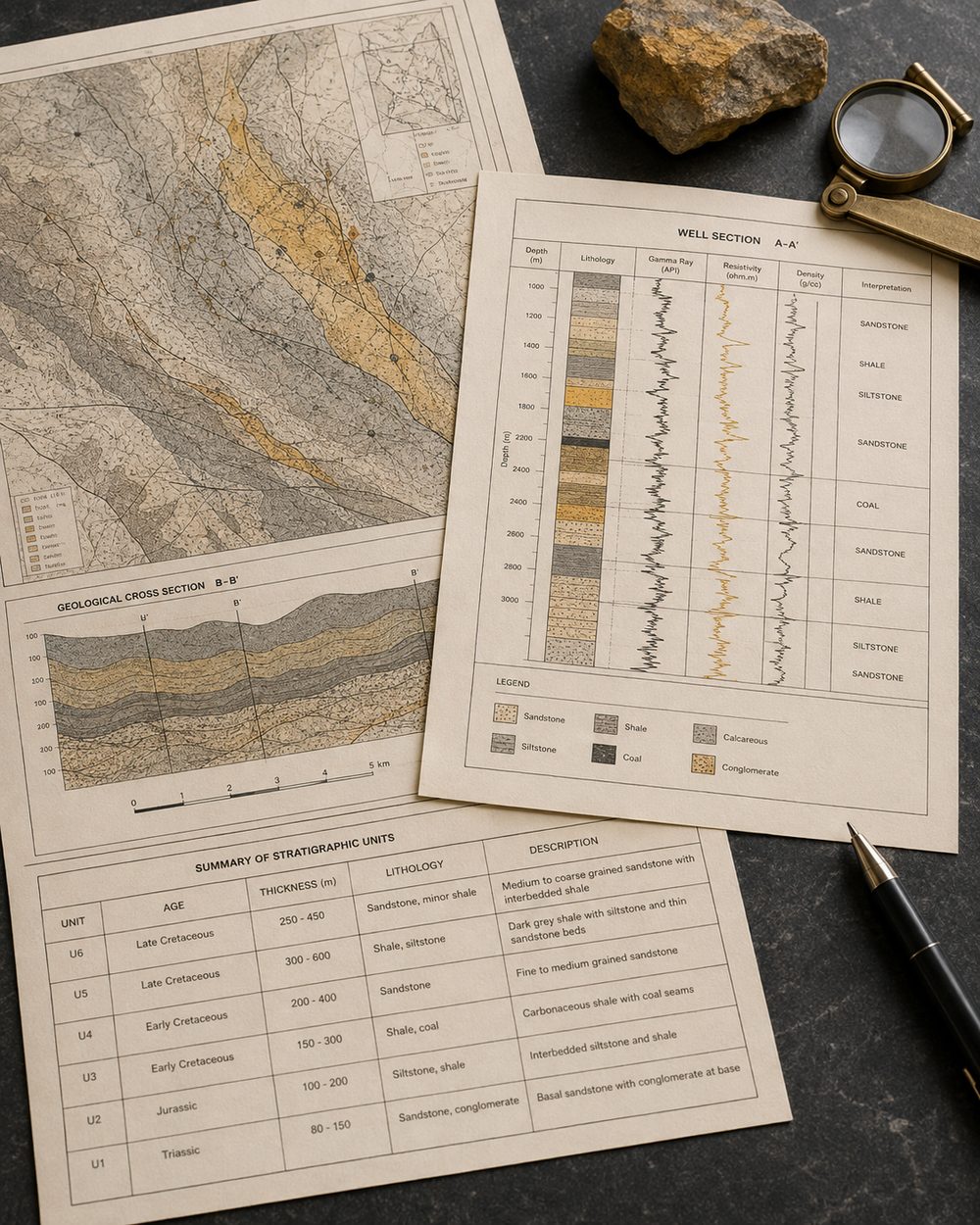
- GeoscienceCoal and coal seam gas exploration, development and production. Forty years of it in the room.
- Field development planningSequencing, well planning, operational reality rather than a diagram.
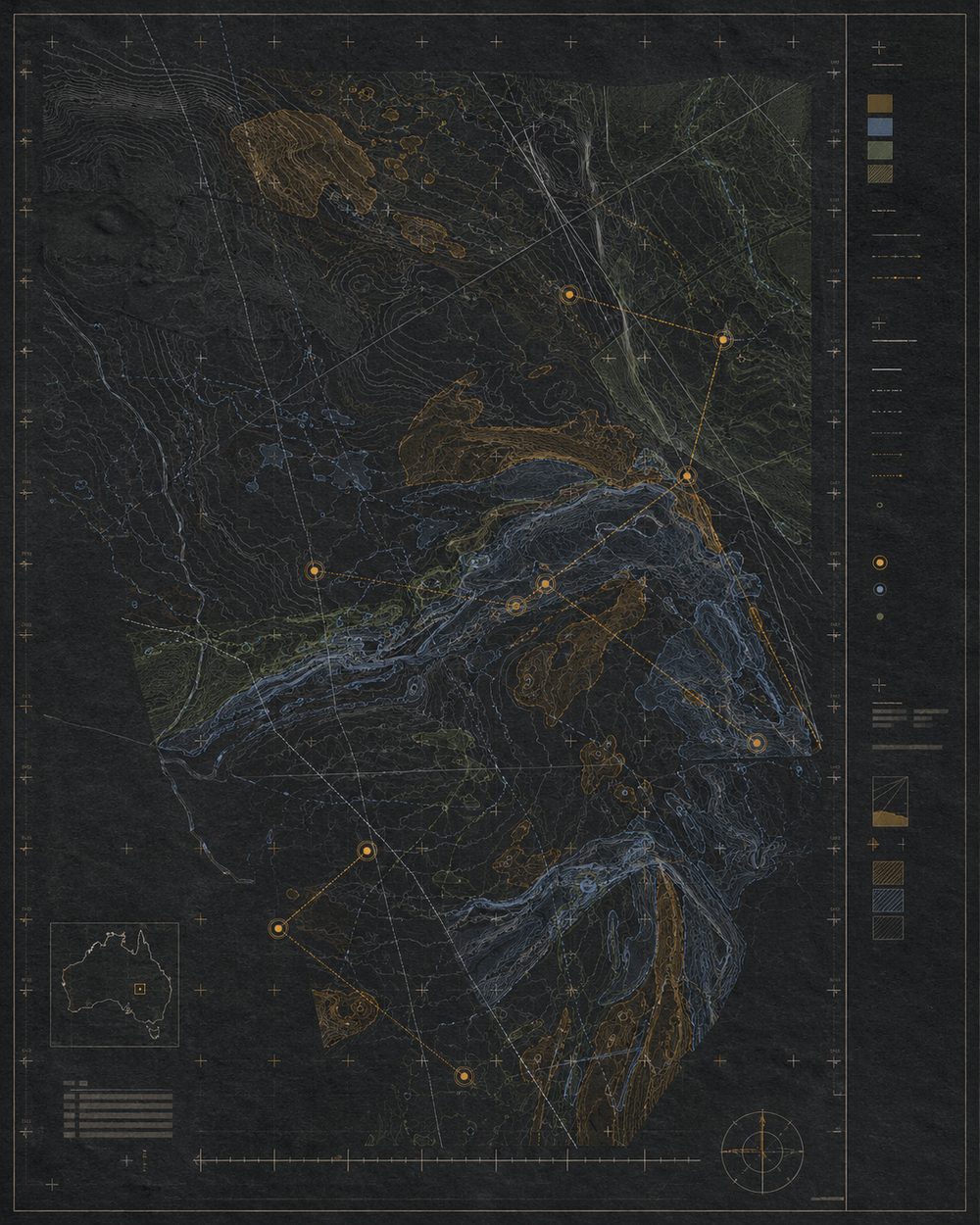
- GIS and spatial analysisMapping, spatial risk, tenure and constraint layers. Thirty years of it.
- Data management and automationGetting your data into a state where it can be used, which is usually the actual bottleneck.
- Environmental assessmentConstraints, rehabilitation and emissions, treated as inputs to the decision rather than a separate report.
03 · Delivery
Why we don't just sell you the software.
Because the setup is the hard part, and the interpretation is the value.
Standing a model up on real operator data is not a weekend of configuration. Once it is up, the software is fast. Getting it up takes people who have seen your kind of data before.
Self serve access exists, after we have set it up for you. It is the end of the path, not the front door.
Want to see it on your data?
The quickest way to judge this is to point it at something you are actually working on.