
03 · Methane Intel
Know your methane before you're asked about it.
Continuous satellite monitoring and expert interpretation, so you know where emissions are happening, where to prioritise, and how to report with confidence.
01 · The problem
Reporting isn't the same as knowing what's actually happening.
You report fugitive methane once a year. For the rest of the year, you are working off estimates and assumptions.
That was fine while nobody else could see. It is not fine now.
02 · Why now
What changed.
Independent data got good
Satellite retrievals are sharper and more public every year. Regulators and investors can look at your site without asking you.
Baselines keep declining
Safeguard Mechanism baselines tighten each year, and the gap has to come from somewhere.
Offsets are under scrutiny
Buying credits to close the gap is being read as accounting rather than abatement, and the cost is climbing either way.
The operators who come out of this best will not be the ones with the lowest emissions. They will be the ones who understood theirs first.
03 · The evidence
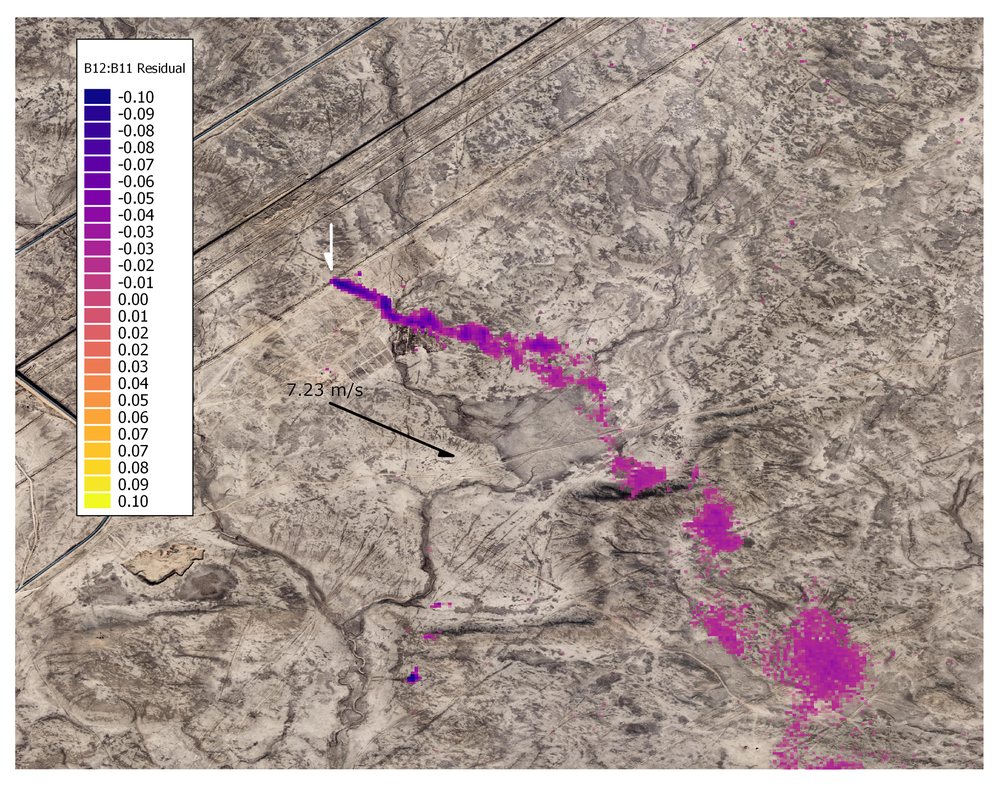
What we actually detect.
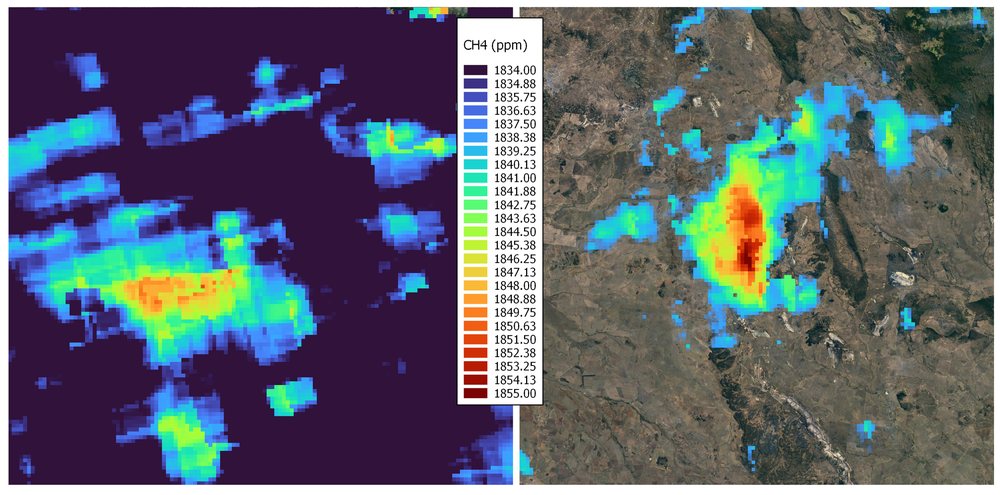
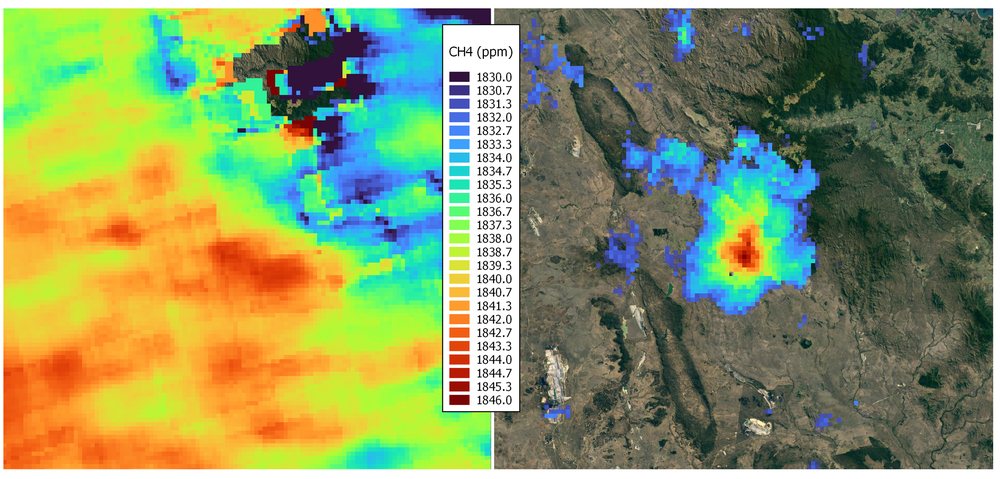
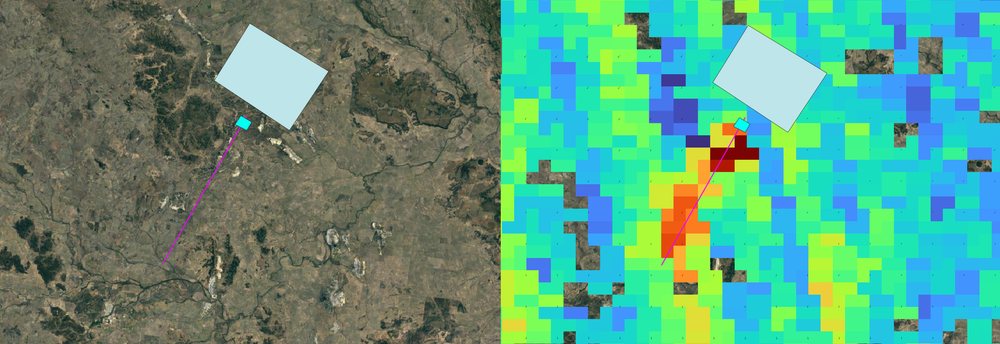
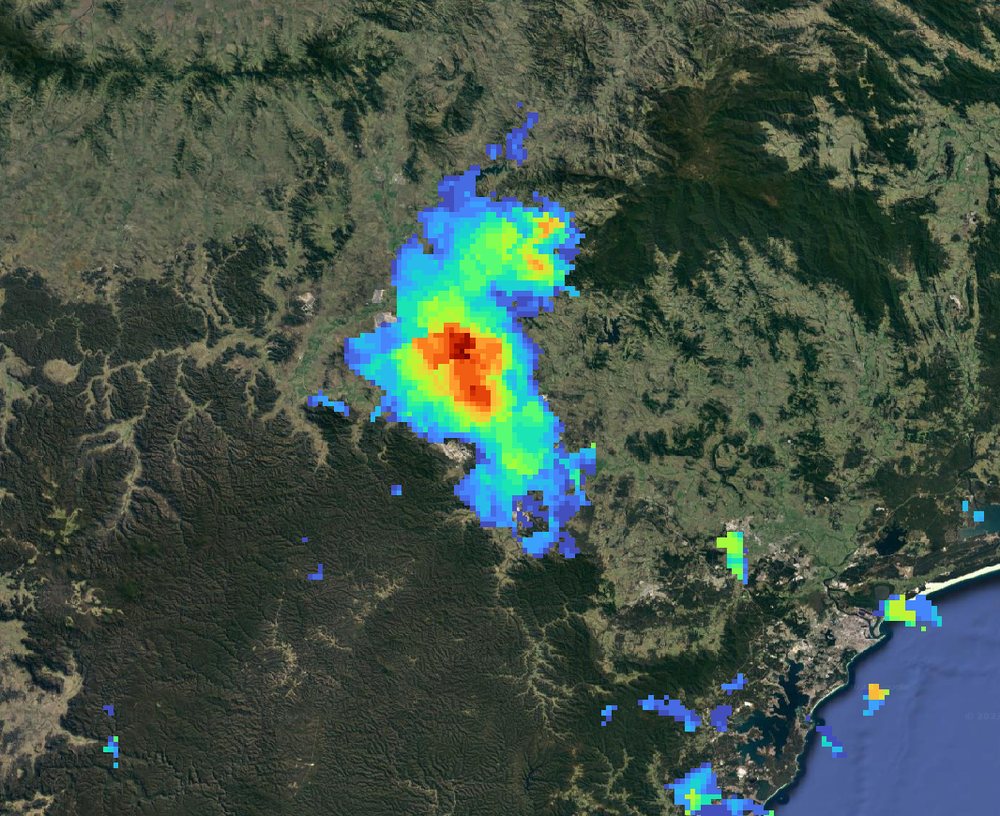
Real retrievals from open Copernicus data. Site and date on every one.
04 · The subscription
What the subscription covers.
- Continuous satellite capture across your monitored sites
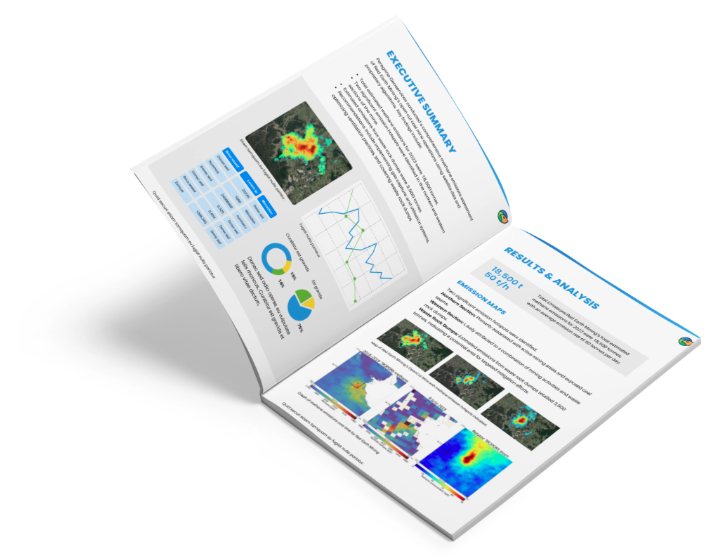
- Quarterly methane intelligence reports, each collating the previous three months
- A secure dashboard
- Emission hotspot identification
- Trend analysis over time
- Benchmarking against comparable operations
- Practical mitigation guidance, prioritised
- Ongoing technical support from our methane specialists
Priced as an annual subscription, per monitored site.
05 · The limits
What satellites can and can't do.
We would rather tell you this now than on the call.
- 1 to 3 t/hSentinel-2's best case, over bright ground. Several times that over coal.
- Above 10 t/hTROPOMI, at coarser resolution.
- 1 to 10 t/hWhere coal mine vents typically sit. Exactly the awkward band.
- 5 daysRevisit, weather permitting.
We have detected a 1.4 tonne per hour controlled release, near the limit of detection with current methods.
No single method tells the whole story. That is why the subscription includes interpretation rather than just data.
06 · Objections
The things people usually ask.
"Does this replace our NGER reporting?"
No. It gives you evidence to stand behind what you report, and visibility for the other 51 weeks of the year.
"Can satellite data really be trusted?"
For some sources, yes, within known limits, and we publish those limits above. For others it is one input among several. Anyone telling you satellites see everything is selling something.
"We only need this at reporting time."
Reporting time is when you find out what you did not know. Continuous capture is what lets you fix a source rather than explain it.
"We handle this internally."
Plenty of teams do the reporting internally. The question is whether you can currently see a hotspot between reporting periods, and whether you could defend your numbers if they were challenged.
Start with a discovery call
Tell us which sites you are responsible for and what you are being asked for. We will show you what we can see, and what we cannot.